3 Common Human Foods a Veterinarian Says You Should Never Feed Your Cat
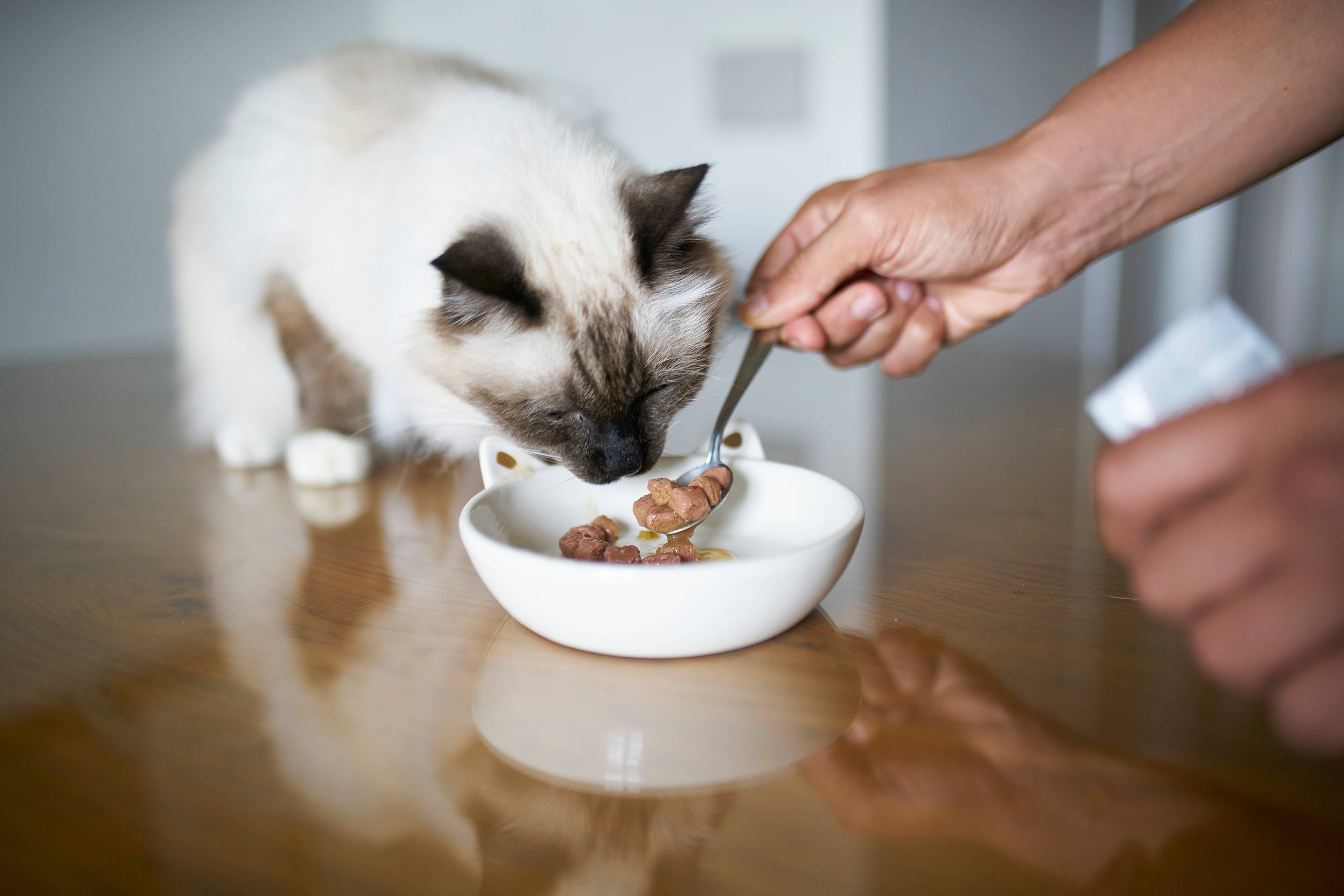
(Nico De Pasquale Photography / Getty Images)
Some cats are super into the idea of human food, and it makes sense — eating the same cat food, day after day, would definitely get boring. Why wouldn’t they get curious about the food we’re eating?
But not all human food is safe for cats to consume, and in a TikTok video, veterinarian Dr. Andrew Jones shared three foods you should never feed to your cat, even though they may seem harmless.
According to Dr. Jones, here’s what you should always avoid sharing with your cat:
Potatoes: Because cats are carnivores, offering them high carb foods like potatoes can spike their blood sugar, eventually leading to issues like obesity and diabetes.
Butter: Butter and all excess animal fat can be dangerous for cats to consume, since it can cause upset stomachs or even pancreatitis.
Anything with artificial sugar: These products often contain xylitol, an artificial sweetener that is toxic for cats and can lead to seizures or a coma.
This is good to know — and important to remember that this also means not to offer them foods that are cooked in butter or include the ingredients that make these common foods so dangerous.
Related: Scottish Fold Kitten Looks Like a Perfect Caramel Macchiato
What to Do If Your Cat Eats Something Dangerous
Accidents happen, and if you’re lucky enough to be a cat parent for a long time, it’s nearly inevitable that, at some point, you’ll realize your cat ate something they shouldn’t have. Getting them help quickly is essential, so it’s important to know what to do ahead of time.
If you know your cat ate a food or substance but aren’t sure if it’s harmful, you can start by calling a service like the Pet Poison Help Line, which can help you determine if an immediate vet visit is in order.
If they’ve eaten something you know is harmful, it’s likely time to head to the emergency vet, especially if they’re showing signs of distress or gastrointestinal upset like vomiting or diarrhea.
The Schwarzman Animal Medical Center recommends bringing along what they ate to help your vet figure out the best treatment plan, like the package it came in.
It never hurts to take your cat in to get checked out if you aren’t sure what to do. That’s what the vet is there for!
🐶SIGN UP to get “pawsitivity” delivered right to your inbox with inspiring & entertaining stories about our furry & feathered friends🐾🐾
This story was originally published by Parade Pets on Oct 27, 2026, where it first appeared in the Pet News section. Add Parade Pets as a Preferred Source by clicking here.
Source: Nature



0 Comments